A Magic Source
Other
African Black Soap
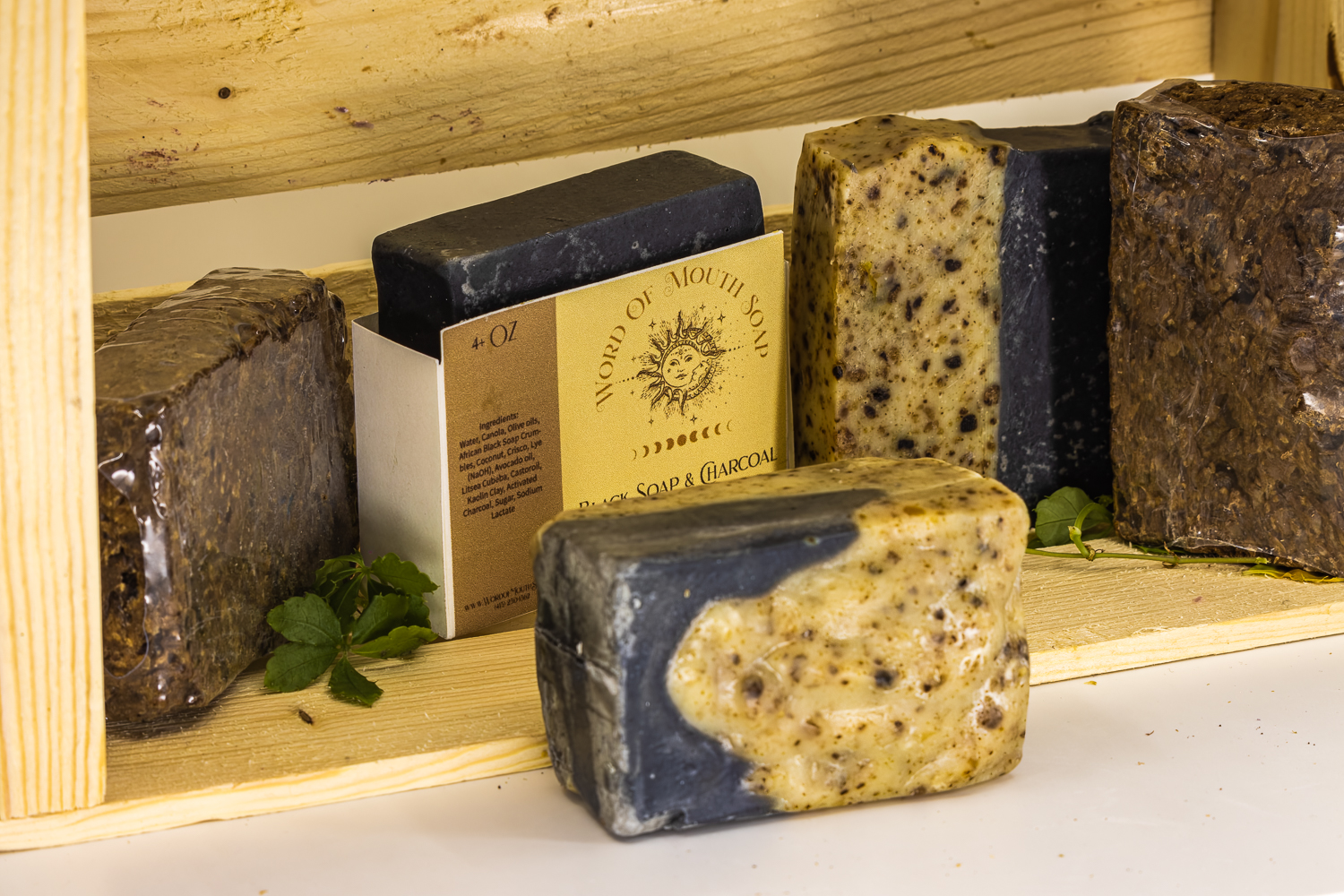
A dark, earthy soap made from the ash of West African plants, beloved for a deep, honest cleanse.
A traditional West African soap that brings deep, earthy character and a thorough cleanse.
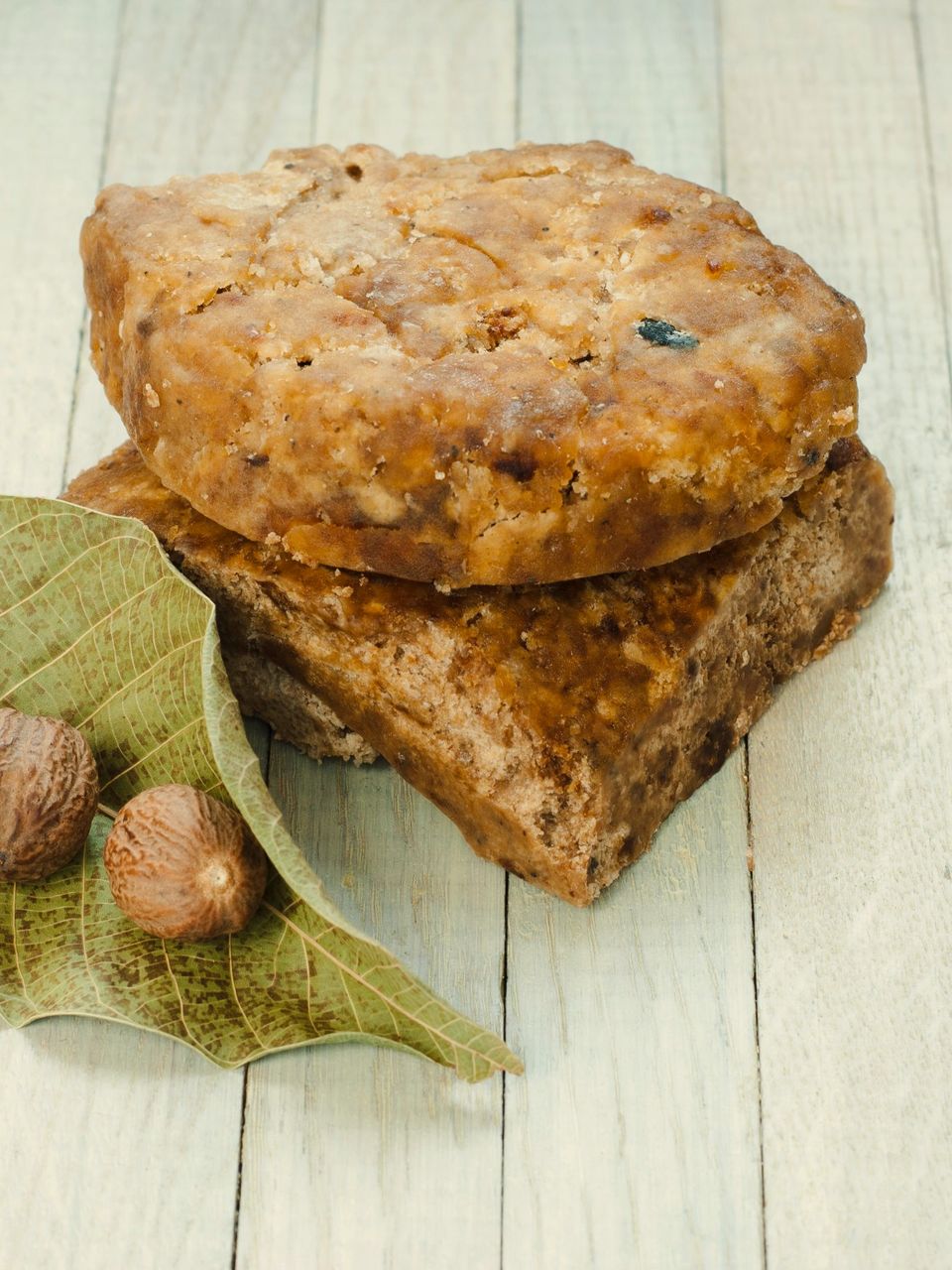
A dark, earthy soap made from the ash of West African plants, beloved for a deep, honest cleanse.
A traditional West African soap that brings deep, earthy character and a thorough cleanse.
African Black Soap is the ash that remembers. Made by women's hands from burned plantain skins, cocoa pods, and shea, it carries generations of knowledge in every crumb. In the Apothecary, it represents heritage, purification, and the wisdom that passes from one pair of hands to the next.
African Black Soap, known in Ghana as alata samina and in Nigeria as ose dudu, is one of the oldest soaps in the world. It is made by hand in villages across West Africa, most often by women who have learned the craft from their mothers and grandmothers. The ash of sun-dried plantain skins, cocoa pods, and palm leaves is mixed with water and oils such as shea butter and palm kernel oil, then cooked and stirred for hours until it becomes soap.
Because it is made from plant ash rather than commercial lye, every batch is slightly different. Real black soap is usually soft, crumbly, and mottled in shades of brown rather than true black, with an earthy, smoky scent.
African Black Soap gives bars and lotions a rich, earthy character and a thorough, refreshing cleanse. Its natural plant ash and oils create a soft, creamy lather that leaves skin feeling clean without feeling stripped. It has long been used from head to toe in West African homes for washing the face, body, and hair.
In our formulas, black soap brings that same traditional character, along with a deep cleanse that pairs beautifully with richer butters and oils. Buying and using black soap also helps support the women and communities who keep this craft alive, one hand-stirred batch at a time.

Sent away after village cruelty broke their mother’s heart, two siblings return home with an ancestral soap and the patience to make Ezi Ani whole again.
Read the story