

(
0
)
Your bag


Your bag is waiting for something special.
Start Shopping
Product is not available in this quantity.


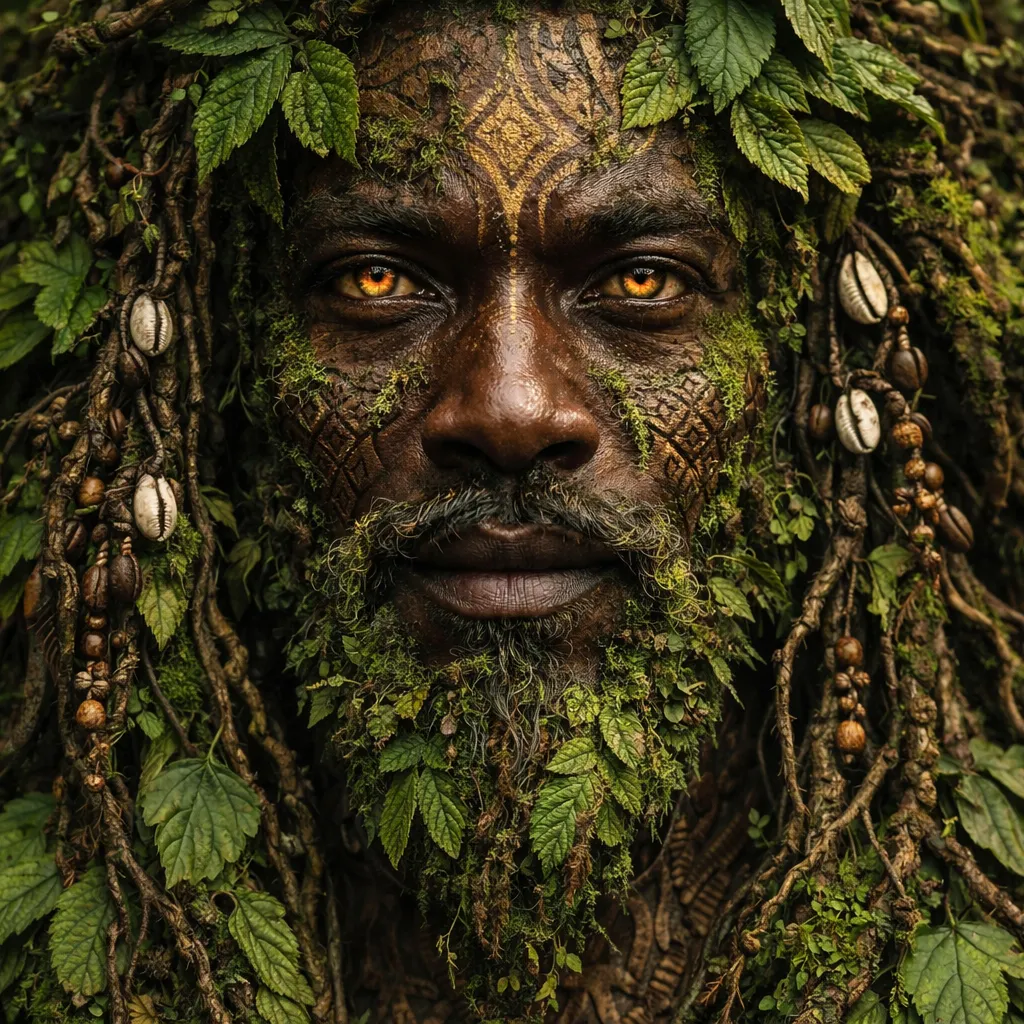
Chapter I: The Hollowing
Luke Walker was not born for the woods.
Not like Mara.
She belonged to them the way a stream belongs to themountain—fluid, inevitable. Her love for the wild ran blood-deep. Her motherhad taught her to listen to trees; her grandmother had been called hedge-witch,storm-singer, keeper of teas and bone. Mara’s bond with the green world wasinheritance, not interest—passed down like a remembered song or the way a nameechoes through generations.
She was Appalachian by root and rhythm—raised in thehollers, the folds of shadowed ridgelines. Every herb had a whisper. Everyridge had a soul. She moved with intention: leaving salt at stone thresholds,tying thread to birch limbs, brewing night-steeped teas for dreams. The woodsshe loved were soft, shadowy, almost haunted. They weren’t a place shewent—they were kin.
Her people had lived alongside the forest for generations,tending its wisdom with patience and care. But not everyone honored thatcovenant.
The townsfolk took from the woods as if they wereendless—cutting what they needed, discarding what they didn’t. They left rustedcans near the creekbeds, felled saplings without thanks, dragged deer from theshadows with no word of gratitude. The forest, to them, was resource—not kin.
Mara felt it like bruising. Luke saw how it shook her. Afterevery trespass, she would leave a poultice or bowl of ash at the edge of astump, whispering a song she never taught him.
“They take,” she once said, fingers brushing moss likeapology. “But they forget to give back. And it remembers, Luke. The forestremembers everything.”
Luke? Luke belonged to dust and fire.
He came from men who shaped their lives with pickaxe andsteel, who spoke in silence and believed in weight. His father, and his fatherbefore that, carved their living from the mountain’s dark belly. Coal was theirblessing and burden. Luke inherited their certainty: that worth came from thebreaking of earth, not the tending of it.
Nature, to him, was something to control. Or cut back.
And still—they loved.
He was drawn to her quiet. The way her hands always smelledof rosemary. She, in turn, found in him a grounding—a kind of mountain in aman. Townfolk whispered it wouldn’t last: what did a woman of leaf want with aman of stone? But Mara believed in what couldn’t be seen.
She never tried to change him. She simply loved him. Andtrusted that love, like water, might shape even the hardest ridge.
They were married beneath an old ash tree, where the woodsmet the field. She wore a crown of herbs and walked barefoot. He wore his bestboots and tried not to cry when she offered her hands without demand. “Theforest will bless us,” she said.
He smiled. Not quite believing.
When their son was born, they named him Silas.
Luke softened with the boy. He would hum tuneless lullabiesas he cradled him in coal-dust arms, while Mara tended the roots. Silas had hereyes, his steadiness. They used to joke he’d be both mystic and miner—theMythic Miner, Mara teased once, wiping dirt from his cheeks. Half coal, halfmoonlight.
But Luke never followed her into the woods. Never touchedher altar. When she came home with wild violet or boneset in her basket, he’dgrunt, “witchy nonsense.” He loved her fiercely. But he did not understand whatnourished her.
That, perhaps, was the first crack.
So when the sickness came—first to Silas, then to Mara—heturned from her ways.
It started with a cough. Small, dry. Silas hardly seemedbothered. But Mara knew. She brewed mullein and yarrow, anointed his chest withoil, sang to him in low hums by candlelight. Luke shrugged. “It’ll pass.”
She brought elderflower and teas. Silas’s color returned—fora day. Mara smiled, hopeful. Luke muttered, “Coincidence.” When the boy slepteasier, he refused to admit the herbs had helped. “Witchcraft doesn’t curefever.”
And then Mara began to cough.
Within days, both were fevered and weak. Luke panicked. Hecalled for medicine. Demanded pills. But nothing helped. He watched them slipaway while Mara whispered songs to Silas and stroked his curls with tremblingfingers. Her eyes held no fear—only knowing.
She had seen this coming in the wind.
Silas died just before dawn. His body still, cradled in hisfather’s arms. Mara didn’t cry. She kissed her son’s forehead and laid him downwith a touch that nearly broke the world.
Two days later, she followed him.
The town came to mourn. Some in silence. Some in whisperedjudgment.
They’d heard the stories—Greenman, forest-ghost, antleredgod. Most dismissed it as old porch-talk, meant to keep kids out of thehollers. But some wondered aloud: had Mara known him? Had she spoken to thewoods?
At the burial, Luke stood rigid, fists clenched in hispockets, jaw tight as iron. He wouldn’t look at the graves. Only the tree linebeyond—Brackenreach, dark and still, the forest she had once called home.
To him, the forest had stolen her. Had done nothing whileshe died.
He hated it. Hated the silence she once called sacred.
He burned every jar, every herb bundle, every memory of green.
He blamed the forest.
He blamed what she loved.
He went into the forest with fury in his chest and his deadwife’s name between his teeth.
He didn’t bring food. Didn’t say goodbye.
He walked in like a miner—boots heavy, jaw set—like he could dig through thetrees and demand an answer from whatever spirit lived in the roots.
It was not surrender.
It was vengeance.
He wanted the woods to feel his grief. To choke on it. Toanswer for what it had done.
But the forest does not argue.
It waits.
And soon, the trail disappeared beneath him. The treesthickened. The light changed. He turned back once—then again—and realized:
he was lost.
Truly lost.
She had closed behind him like a mouth—gentle, unyielding,ancient.
He stumbled and fell at the base of a lichen-covered stone, breath ragged,strength gone. The air thickened. And from between the trees stepped theGreenman.
Chapter II: The Forest
The moss breathed before it moved.
Luke had been walking without a path again, led by scent andinstinct and something else he wouldn’t name. The forest bent here—not broken,not cleared—just listening.
He looked up, and there he was.
A figure wrapped in bark and bramble, eyes like cut agate, beard braided withlichen. Not towering—just still. So still that the whole grove bowed to it.
Luke didn’t speak.
The Greenman didn’t blink.
But something passed between them, as sure as firelight: You are not lost. Youare being held.
Tall and solemn, with bark-burnished skin and eyes likegolden leaves, he moved as if the forest breathed through him.
Luke scrambled back, fury rising again.
“You—you’re the one she used to whisper about. You let her die. You watched anddid nothing.”
The Greenman looked at him—not with pity, but with somethingolder.
Deep. Rooted. Disapproval.
“You entered these woods with rage in your heart andvengeance on your breath. That is no way to meet a place your wife once calledsacred. You marched in like it owed you something. That is not how healingbegins. That is not how grief is honored.”
He paused, voice low and steady.
“I did not bring your grief,” he said. “But I felt hers. Iknew of Mara. I never spoke to her—but the forest did. The woods felt herpresence, knew her steps, honored her offerings. They knew her. Loved her. Andbecause of that love, you are spared from death.”
The Greenman’s gaze deepened.
“Your life is not owed,” he said. “It is offered—because ofher. You walk because she once sang here. Every root that held you upright,every breath that filled your lungs—it was the forest remembering Mara’s name.”
Then something in his expression shifted.
The hardness faded. A quiet recognition passed through his eyes.
He looked at Luke—not as a trespasser, but as one wounded.
As one still becoming.
Luke sat in silence, his rage crumbling beneath the weightof truth.
He looked down at his hands—calloused, trembling—and for the first time, he didnot know what to do with them.
Something in him cracked.
Not with pain.
But with the quiet ache of understanding beginning to bloom.
He thought of the town. Of its hollow routines.
The pitying glances. The whispers that scraped at the edge of his grief.
There was nothing there for him now—not without Mara, not without Silas.
The house was a husk. The people, kind but distant.
The life he had lived felt small and broken in his hands.
Here in the forest, there was silence—but not emptiness.
There was memory—but also breath.
He felt, for the first time, that he did not need to leave.
He did not want to return.
He hadn’t chosen the woods.
But now, they had chosen him.
And in the green hush, he began to understand: healing wasnot something he could chase.
It was something he had to tend.
Luke’s breath caught.
The Greenman stepped forward, knelt, and laid a hand on Luke’s chest.
“She walked here often. Left offerings not out of need, butgratitude.
She asked the forest—not me—to watch over you, should grief one day break youopen.
And because these woods listen, I came.
Your life is now twined with hers. Not through death, butthrough duty.
You carry what remains—not just of her, but of the love she gave this place.
Let that guide you. Let it shape you.
Because what the forest offers, it does not offer twice.”
He paused.
“You may stay. Not to die. But to remember.
This is not a place for forgetting.
It is a place for becoming.”
Luke followed the Greenman deeper into the woods, their waylit by the pulse of fireflies.
They moved in silence, lanternless, beneath a canopy that shimmered with dewand memory.
With each step, the anger in Luke’s chest gave way tosomething slower—
Something listening.
The forest did not speak.
But she welcomed him.
They searched for him at first.
Men with lanterns.
Dogs with sharp noses.
Calls echoing through the trees like the last threads of hope.
For two days, maybe three, they combed the hollers, eyes tothe ground, ears tilted to the silence.
All they found was a scrap of torn coat by the creek and claw marks on the sideof one of her pines.
Some said bear.
Others whispered mountain lion.
But most simply shook their heads.
The woods had taken him.
His name turned into hush, then into story.
Another man swallowed by her quiet.
The days turned to weeks.
The weeks to months.
And the months to years.
Time passed in the hush of the forest like water throughmoss—slow, silent, sacred.
She held him, not tightly, but completely.
And in that silence, something inside him began to root.
Chapter III: The Remembering
Time passed in the hush of Brackenreach, and the forest greweven through him.
Luke had never cared for beards. Not until the forest letone grow wild on his face—unkempt, elemental, touched by ash and leaf. Ititched constantly, raw against his skin. Dry flakes fell from it like snow onhis shoulders. It tangled into brambles overnight, collected crumbs and leaves,and clung to the scent of smoke and sweat. He washed it in the stream withhandfuls of cold water, but it only grew wilder, rougher. It began to feel likea mask he couldn’t take off—something untamed sprouting from his grief.
One morning, after watching Luke scratch and grimace throughbreakfast, the Greenman looked at him, eyes amused, and said, “It suits you.”But then, after a pause, more gently: “But you weren’t meant to suffer it.”
Later that night, by the fire, the Greenman spokeagain—softly, like teaching a plant to rise:
“It’s time you made something of your own. Not just to soothe the beard—but tohonor the one who grew into it.”
He gave Luke a recipe. No scroll, no ink. Just words andgesture: cedar for memory, sage for cleansing, pine resin for strength, beeswaxto bind it all. A base of oils—jojoba, argan—chosen not by fashion, but byfeel. Kentucky bourbon and tobacco for grounding, for grit, for warmth. Andlavender, always lavender. For Mara.
Luke stirred the mixture slow, clockwise, as he’d beenshown. He warmed it with breath, blessed it with silence. The scent filled thecottage like memory—rich with Kentucky bourbon and tobacco leaf, earthy andwarm, like a firelit embrace from the past.
That night, he anointed his face with the balm. Not togroom. But to remember.
The next morning, he made Uncle Luke’s Beard Balm and BeardOil.
Poured it into a small clay jar.
He carried it up the ridge to the place where Mara and Silas lay, and set it atthe stone.
“It’s yours, too,” he whispered.
Chapter IV: The Balm and the Beard
One night, Mara came to him.
In a dream soft as smoke, she stood at the edge of theclearing, hair crowned in violet, her hands filled with light. Her voice wasquieter than the wind.
“It’s time,” she said.
He wept—not from fear, but because he had almost forgottenhe could go on.
She stepped forward and placed her palm over his chest.
“You were never meant to stay,” she whispered. “You weremeant to carry this. To remember. And to return.”
When he woke, the hearth had gone to ash.
The Greenman stood in the doorway, already waiting.
He said nothing. He didn’t need to.
Part of him wanted to stay. To vanish with the moss andmemory.
But her voice had left no room for doubt.
He rose, slowly—his body reluctant, his spirit stirred—and followed.
They did not rush. Their pace was slow, deliberate—twoshadows moving beneath the canopy like old spirits returning borrowed light.The forest breathed around them, each step stirring up memory. Luke could feelher watching, Brackenreach, as if she too was reluctant to let him go.
They walked through Brackenreach at dawn, through fern-thickpaths and shadow-soft hollows. The forest stirred around them—not with warning,but with knowing. Roots shifted. Branches moved aside. The way opened, just asit once had closed. Fireflies blinked beside them, not for light—but formemory.
The forest did not speak.
But she gave her blessing.
Brackenreach had come to love him—not as Mara had, but inher own slow, rooted way. He had bled into her soil, breathed beneath herboughs, listened long enough to be heard. And so, she opened for him. Not as agift. As a recognition.
At the edge of the woods, Luke paused.
The town spread out before him like something half-remembered.
Roofs. Smoke. Habit.
He turned to look back—but the Greenman was gone.
Not vanished. Returned.
Slipped quietly back into the folds of Brackenreach.
A breath of mist. A whisper in the underbrush.
Luke understood: the Greenman was never apart from the forest.
And anytime he stepped beneath her canopy, he would be there.
Luke took one step, then another.
He still smelled of the woods.
Not just in scent—but in silence, in slowness.
Brackenreach had not left him.
When the townspeople saw him, they stopped.
Some gasped. Others backed away.
But nearly all of them stared at his beard.
It was unlike anything they’d seen—thick and lush, wild butimpossibly refined, with a sheen that caught the morning light like woven gold.It didn’t just grow—it spoke. Of cedar groves, firelight, bourbon oak, andsacred earth. The scent reached them before he spoke, and some swore it calmedtheir nerves or stirred memories they couldn’t name.
Whispers rose.
“That can’t be real.”
“How does it look like that?”
Even those who doubted everything else he said could nottake their eyes off it.
When one of them finally got close enough to touch it—roughfingers brushing the edge—they pulled back in astonishment.
“Softer than sheep’s wool,” they muttered. “Feels like something blessed.”
Others crowded in, each curious, each more mystified.
The jealousy turned to longing.
Not just for the beard, but for whatever calm and care had grown it.
He looked like something shaped by growth and halo.
When he spoke, his voice was calm and low.
One of the men stepped forward, arms crossed.
“Alright, Luke,” he said with a forced laugh.
“Tell us this much—what’s your secret? That beard... damn near glows.”
Another nodded.
“My wife won’t stop talking about how good you smell. Bourbon and what?”
Luke smiled faintly.
“Tobacco leaf. Beeswax. Jojoba. A few things the forest gave me.”
“You selling it?” someone muttered, half-joking,half-hopeful.
He shook his head.
“Not yet. Maybe. But it’s more than the balm.
It’s the care. The ritual. The remembering.”
There was a pause—curious, not hostile.
Jealousy thinned into wonder.
He told them the truth.
Because he knew they wouldn’t believe him.
About the Greenman.
About the cottage hidden deep in Brackenreach.
About the food he gathered with his hands, the books of potions and prayers,the spells scrawled in ink older than names.
About the balm, and how it came to him not as a product—but as a blessing.
They laughed.
Not cruelly.
But as men do when something sacred makes them uncomfortable.
A few slapped their thighs and shook their heads.
“You telling me a tree ghost taught you to make beard oil?”one said.
Another snorted, “So that’s what happens when you go off too long in thewoods.”
They didn’t believe him.
How could they?
Their grandfathers and fathers had hunted and wandered every ridge and run inBrackenreach. There was no cottage they didn’t know, no hidden place unwalked.The idea that a man could disappear into those woods and live like a forestspirit?
It was nonsense. Myth. A tale to scare children.
And truthfully, they didn’t care. Not really.
All they wanted was the balm. The oil. The secret to that beard.
But beneath the laughter was something quieter: curiosity.
And hunger.
For something true.
Luke didn’t flinch. He only nodded once.
“Believe it or don’t,” he said. “But it worked. And I came back to share it.”
They wouldn’t call it longing. Not yet.
But it settled in their bones like something remembered.
Some believed.
But most scoffed.
Still, all listened.
Chapter V: The Return
One night, Mara came to him.
In a dream soft as smoke, she stood at the edge of theclearing, hair crowned in violet, her hands filled with light. Her voice wasquieter than the wind.
“It’s time,” she said.
He wept—not from fear, but because he had almost forgottenhe could go on.
She stepped forward and placed her palm over his chest.
“You were never meant to stay,” she whispered.
“You were meant to carry this. To remember. And to return.”
When he woke, the hearth had gone to ash.
The Greenman stood in the doorway, already waiting.
He said nothing. He didn’t need to.
Part of him wanted to stay.
To vanish with the moss and memory.
But her voice had left no room for doubt.
He rose, slowly—his body reluctant, his spirit stirred—and followed.
They did not rush. Their pace was slow, deliberate—twoshadows moving beneath the canopy like old spirits returning borrowed light.The forest breathed around them, each step stirring up memory. Luke could feelher watching, Brackenreach, as if she too was reluctant to let him go.
They walked through Brackenreach at dawn, through fern-thickpaths and shadow-soft hollows.
The forest stirred around them—not with warning, but with knowing.
Roots shifted. Branches moved aside.
The way opened, just as it once had closed.
Fireflies blinked beside them, not for light—but for memory.
The forest did not speak.
But she gave her blessing.
Brackenreach had come to love him—
not as Mara had, but in her own slow, rooted way.
He had bled into her soil, breathed beneath her boughs, listened long enough tobe heard.
And so, she opened for him.
Not as a gift.
As a recognition.
At the edge of the woods, Luke paused.
The town spread out before him like something half-remembered.
Roofs. Smoke. Habit.
He turned to look back—
but the Greenman was gone.
Not vanished.
Returned.
Slipped quietly back into the folds of Brackenreach.
A breath of mist. A whisper in the underbrush.
Luke understood: the Greenman was never apart from theforest.
And anytime he stepped beneath her canopy,
he would be there.
Luke took one step, then another.
He still smelled of the woods.
Not just in scent—
but in silence, in slowness.
Brackenreach had not left him.
When the townspeople saw him, they stopped.
Some gasped. Others backed away.
But nearly all of them stared at his beard.
It was unlike anything they’d seen—
thick and lush, wild but impossibly refined,
with a sheen that caught the morning light like woven gold.
It didn’t just grow—
it spoke.
Of cedar groves, firelight, bourbon oak, and sacred earth.
The scent reached them before he spoke,
and some swore it calmed their nerves or stirred memories they couldn’t name.
Whispers rose.
“That can’t be real.”
“How does it look like that?”
Even those who doubted everything else he said
could not take their eyes off it.
When one of them finally got close enough to touch it—
rough fingers brushing the edge—
they pulled back in astonishment.
“Softer than sheep’s wool,” they muttered.
“Feels like something blessed.”
Others crowded in, each curious, each more mystified.
The jealousy turned to longing.
Not just for the beard,
but for whatever calm and care had grown it.
He looked like something shaped by growth and halo.
When he spoke, his voice was calm and low.
One of the men stepped forward, arms crossed.
“All right, Luke,” he said with a forced laugh.
“Tell us this much—what’s your secret? That beard… damn near glows.”
Another nodded.
“My wife won’t stop talking about how good you smell.
Bourbon and what?”
Luke smiled faintly.
“Tobacco leaf. Beeswax. Jojoba.
A few things the forest gave me.”
“You selling it?” someone muttered, half-joking,half-hopeful.
He shook his head.
“Not yet. Maybe.
But it’s more than the balm.
It’s the care.
The ritual.
The remembering.”
There was a pause—curious, not hostile.
Jealousy thinned into wonder.
He told them the truth.
Because he knew they wouldn’t believe him.
About the Greenman.
About the cottage hidden deep in Brackenreach.
About the food he gathered with his hands,
the books of potions and prayers,
the spells scrawled in ink older than names.
About the balm,
and how it came to him not as a product—
but as a blessing.
They laughed.
Not cruelly.
But as men do when something sacred makes them uncomfortable.
A few slapped their thighs and shook their heads.
“You telling me a tree ghost taught you to make beard oil?”one said.
Another snorted, “So that’s what happens when you go off too long in thewoods.”
They didn’t believe him.
How could they?
Their grandfathers and fathers had hunted and wandered everyridge and run in Brackenreach.
There was no cottage they didn’t know,
no hidden place unwalked.
The idea that a man could disappear into those woods
and live like a forest spirit?
It was nonsense. Myth. A tale to scare children.
And truthfully, they didn’t care.
Not really.
All they wanted was the balm.
The oil.
The secret to that beard.
But beneath the laughter was something quieter:
curiosity.
And hunger.
For something true.
Luke didn’t flinch.
He only nodded once.
“Believe it or don’t,” he said.
“But it worked.
And I came back to share it.”
They wouldn’t call it longing.
Not yet.
But it settled in their bones
like something remembered.
Some believed.
But most scoffed.
Still, all listened.
Chapter Vi: The Mystic and the Miner
Luke was not the same man who had once walked into theforest.
There had been days so dark he couldn’t tell if he wasbreathing.
Nights where he prayed the woods would take him, bury him inroots and silence.
The grief had hollowed him, eaten him from the inside.
For a long time, he hadn’t wanted healing—only ending.
But the forest did not end him.
It remade him.
Slowly.
With root and rain.
With fireflies and silence.
With Greenman and grief.
He had lived inside that sorrow,
and now he lived beyond it.
He had returned.
Not broken, but changed.
Not healed, but whole enough to begin.
He no longer needed to be understood.
He needed to create.
To give back what the forest had given him.
He was no longer a miner.
No longer a breaker of stone or a thief of flame.
That life—the one forged in tunnels and soot—had burned awayin the quiet hush of moss and memory.
What remained was something softer.
Still rooted.
But changed.
He no longer took from the earth.
He listened to her.
Tended her.
Became part of her.
And with slow hands and a quiet spirit,
he began something new.
A small workshop opened near the edge of town, set back fromthe road, half-swallowed in ivy.
No sign, no hours.
Just a wooden door, and the faint scent of cedar and tobaccocurling out from the eaves.
He called it Aether & Earth.
No one knew when exactly it opened.
But the balm began to spread.
Quietly.
From hand to hand.
From beard to cheek to chest.
People began to speak of it not just as a product—but as acomfort.
A remembering.
Jonas had come the first time for his brother.
Said he was sick—fevered, coughing, nothing helped.
He didn’t ask for miracles, just balm, or tea, or a name topray to.
Luke gave him all three.
And then, one morning, the boy appeared.
The one who hadn’t laughed.
Jonas.
He knocked without knocking. Just stood in the doorway,coal-smudged and wide-eyed.
“I don’t want to be like them,” he said.
“I work in the mine. But I… I want to learn something else.”
Luke looked at him—really looked.
And for a moment, the forest stirred behind his eyes.
“You came to the right place,” he said.
“But I won’t teach you like a teacher. You’ll learn bydoing.”
And so the boy stayed.
He watched.
Stirred.
Listened.
Luke didn’t speak much.
But he began to show Jonas the rhythm of roots,
the patience of oil.
How to know when something is ready,
not by time—but by scent.
By feel.
And in Jonas’s hands, he saw something familiar.
Not in face.
But in presence.
The boy moved like someone who had been there before.
A mystic.
And a miner.
The very dream Mara once whispered by firelight—of Silasgrowing up to walk in both worlds.
Of her child bearing the grit of coal and the grace ofgreen.
Luke had laughed at it once.
But now, standing in the balm-lit stillness of the workshop,
watching Jonas stir as if memory guided his hand—he saw it.
He saw him.
The dream had returned.
Not in name, but in essence.
Not everything ends.
Some things grow roots where no one is looking.
And some boys carry the soul of another through the smokeand the soil.
And Luke, who had gone into the woods to die,
now began again.
He returned to the forest often—but never as before.
Not to seek an ending, but to tend what remained.
He came as a guest.
A listener.
A bearer of memory.
And each time he stepped beneath her canopy, Brackenreachwelcomed him like a homecoming.
No one rang a bell.
No incense lit.
The forest didn’t need ceremony.
Luke knelt where the balm table once stood.
The bowl was gone.
The tools too.
Only moss remained—fresh, soft, spring-fed.
He took the root he’d carried since the first night—twisted,golden, half-hollow—and pressed it gently into the soil.
Jonas watched but said nothing.
“We never said goodbye,” Luke murmured.
“We just let the green grow over it.”
The root settled like breath returning.
Underneath, something—wind, earth, memory—sighed.
And from the cedar’s hollow,
a heron lifted without sound.
He never called Jonas apprentice.
But the forest might have.

.png)