

(
0
)
Your bag

Your bag is waiting for something special.
Start Shopping
Product is not available in this quantity.


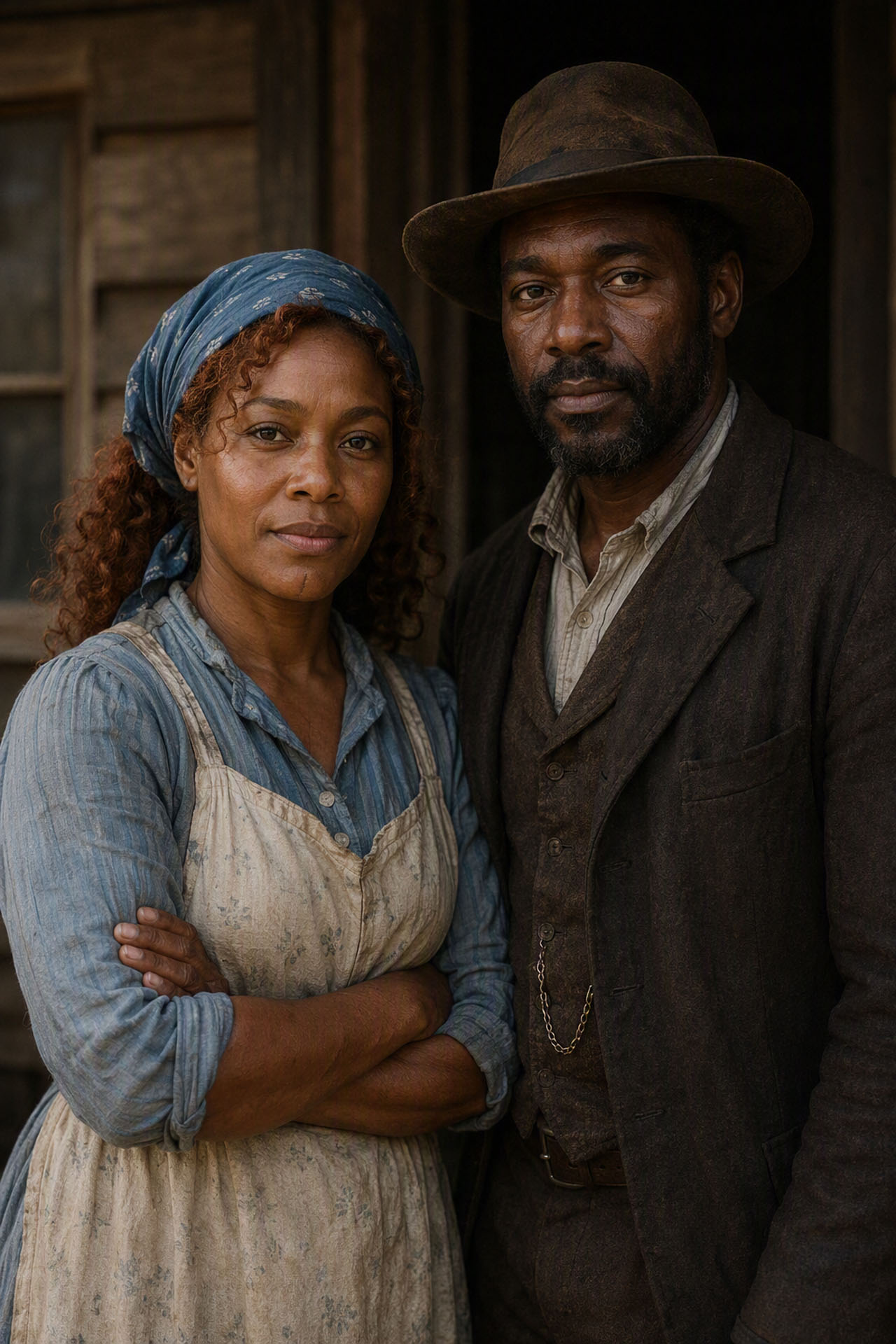
The kitchen smells like roses and beeswax when my daughterasks again,“Tell me one of the old stories, Mama. Tell me about Grandma Geneva.”I’ve just finished pouring a fresh batch of balm into glass jars.Itcatches the light like honey—thick, gold, and warm as dusk. My girl presses her nose to it, eyes bright, and her best friend sits cross-legged on the floor beside her, listening close. She’s heard the name before, but not the wholestory. Not yet.So I wipe my hands on a linen towel, sit down between them, andsmile. The stove ticks as it cools. Outside, Seattle rain taps against the window panes, soft as breath.I tell them, “This balm isn’t just something we make—it’s something we remember.It carries the scent of rosehips and the sound of hammers in the desert. It carries two names: Pete and Geneva.”The girls leancloser.And I begin, the way my grandmother taught me to—slow, certain, and fromthe heart.“What you’re holding isn’t just a balm.It’s a story.A remembering.”Shetied her kerchief tight, the blue one her mother left her, and the scent ofrose oil clung to her skin like courage.Tombstone wasn’t a dream.It was dry,cracked, and ugly in places—but it was open.Geneva stepped off the wagonsquare-shouldered, the kind of woman whose back didn’t bend even when her bootsdid.Her skin held the bronze sheen of sun-browned pecans, arms roped withstrength from years of hauling and scrubbing.A small scar nicked her chin—proofthat she didn’t flinch easily.She kept her hair braided and tied in a bluekerchief, though copper curls escaped whenever she worked, catching the desertlight like sparks.The smell of rose oil and wood smoke followed her; beautyclung to her the way stubborn things do.She wasn’t friendly so much as fair.Hermother had taught her that kindness without backbone was just begging forheartbreak.So Geneva smiled rarely, listened often, and weighed every wordbefore letting it leave her mouth.When she did speak, her voice was low andsanded smooth by labor, more command than question.She rented a weather-beatenshack on the edge of town and hung a scrap of calico in the window for acurtain.That was all she needed to begin again....(continue through Big NoseKate paragraph)Pete didn’t come with flowers.He came with coal dust on hisboots and an old soldier’s gait.Tall and narrow-hipped, he carried quiet theway other men carried weapons—ready but restrained.His skin was the dark umberof river mud baked by sun; a faint limp marked each step, a souvenir from abullet that barely missed its purpose.The beard along his jaw was neat,practical.When he lifted his hat, gray-brown eyes, calm as stones under water,met Geneva’s and didn’t look away.A freed man who’d worn Union blue, he hadlearned the weight of silence.In it lived memory, discipline, and a kind ofmercy for people who didn’t deserve it.He spoke only when the words mattered.Whenhe did, his voice was deep and deliberate, each syllable measured like a naildriven straight.He smelled faintly of cedar and tobacco leaf, softened by theclean sweat of honest work.His hands were thick-fingered, precise—the sort thatbuilt rather than broke.There was gentleness under the grit, but he kept itlocked behind manner and modesty.“I need a room,” he said. “I work honest. Ipay on time.”Geneva looked him over—head to toe. He didn’t flinch under herstare. Didn’t shrink, either.That’s what she liked. She recognized another kindof survivor: a man who had already lost everything once and was smart enoughnot to gamble peace for pride.She gave him the back room. “Keep to yourself,”she said. “Don’t bring trouble through my door. And wash before supper.”Petetipped his hat. “Yes, ma’am.”He didn’t say another word for two days.(then yourexisting material through “That’s how they spoke, those two.” plus the addedinsert)Geneva watched him cross the yard, sleeves rolled, dust streaked acrossthe dark skin of his forearms.The muscles there flexed and settled likesomething remembering freedom.She told herself she wasn’t looking—but she was.Theboarding house thrived—not because it was grand or new, but because it wasfair.Nobody left hungry, dirty, or ashamed.A place like that makes enemies....Geneva’sjaw worked like she was grinding down every word she wanted to spit back.Pete’slimp came sharper these nights; pain pulled at his stance, though he hid itbehind the rhythm of the hammer....Lamplight caught the sweat along his neck.Hishands were steady on the rifle, but his shoulders trembled once—like a horsefeeling thunder before it breaks....They followed the trails north forweeks—through Tucson, past the Salt River, then on toward rain.People fed thembehind barns, passed them bread and water without asking names.Each mile pulledthe desert further behind.Each sunrise smelled a little more like mercy.Whenthe first drizzle hit the wagon boards, Geneva lifted her face to it.Petetipped his hat back, let the drops find his skin.Samuel laughed—the sound highand clean, as if the boy had just learned what hope sounded like.The boardinghouse thrived—not because it was grand or new, but because it was fair.Nobodyleft hungry, dirty, or ashamed.A place like that makes enemies....Geneva’s jawworked like she was grinding down every word she wanted to spit back.Pete’slimp came sharper these nights; pain pulled at his stance, though he hid itbehind the rhythm of the hammer....Lamplight caught the sweat along his neck.Hishands were steady on the rifle, but his shoulders trembled once—like a horsefeeling thunder before it breaks....They followed the trails north forweeks—through Tucson, past the Salt River, then on toward rain.People fed thembehind barns, passed them bread and water without asking names.Each mile pulledthe desert further behind.Each sunrise smelled a little more like mercy.Whenthe first drizzle hit the wagon boards, Geneva lifted her face to it.Petetipped his hat back, let the drops find his skin.Samuel laughed—the sound highand clean, as if the boy had just learned what hope sounded like.Seattle wasdamp, gray, and alive.Rain ran down the eaves and filled the cracks of a citystill learning its shape.For Geneva, it was the sound of safety....The damp airgentled her skin, the pale scar along her chin almost hidden beneath the curveof a returning smile.Pete’s gait still carried the old limp, but now it wasslow, not painful—like a man pacing a rhythm he’d earned....When she washed hishands that last morning, the calluses had smoothed.Only the scent of cedarremained.She pressed her face to his palm, breathing it in until the achesettled quiet....Her fingers, roughened by salt and time, still knew the shapeof the spoon.When she stirred, the small scar along her chin drew tight—areminder that she had survived the desert and the fire both.My daughter’s eyesare wide as the jar in my hand.“Georgia,” she repeats softly, tasting the wordlike it’s something old and sweet.Her best friend tilts her head. “That’s whereyour great-grandma started?”...“Started,” I say, “and kept moving. That’s whatwomen in our family do.”...“I smile, small and secret. ‘They did. For awhile.’”The kitchen is quiet now except for the rain.My daughter sits with herchin in her palms, eyes wide, like she’s watching the story happen just beyondthe window....“She built a house,” I tell them. “She called it hers. That wasfighting, too.”...“Now listen,” I say softly. “This is the part where the worldcomes knocking.”The rain outside my kitchen window has slowed to a whisper.Steamrises from the pot where the balm is cooling—sweet, heavy, patient....“No,” Isay softly. “But she carried Georgia in her hands every time she made this.”Ilift the spoon, coated gold, and let a drop fall back into the pot.It landswith a sound like breath.“Now,” I say, “let me tell you what they built whenthey found rain.”I stop speaking, and the rain outside has gone to mist.Thegirls sit close, knees touching, eyes bright as the jars cooling on thecounter.For a long time, none of us move....“We were here,” I murmur. “Westayed standing. We kept the fire lit.”Outside, the rain begins again—steady,soft, unending.I smile and start to pour another jar.End of Manuscript

.png)