A Magic Source
Other
Beeswax
Golden wax from the hive that gives balms their body and a soft, protective finish.
The hive's gold, giving balms their body and a soft protective seal.
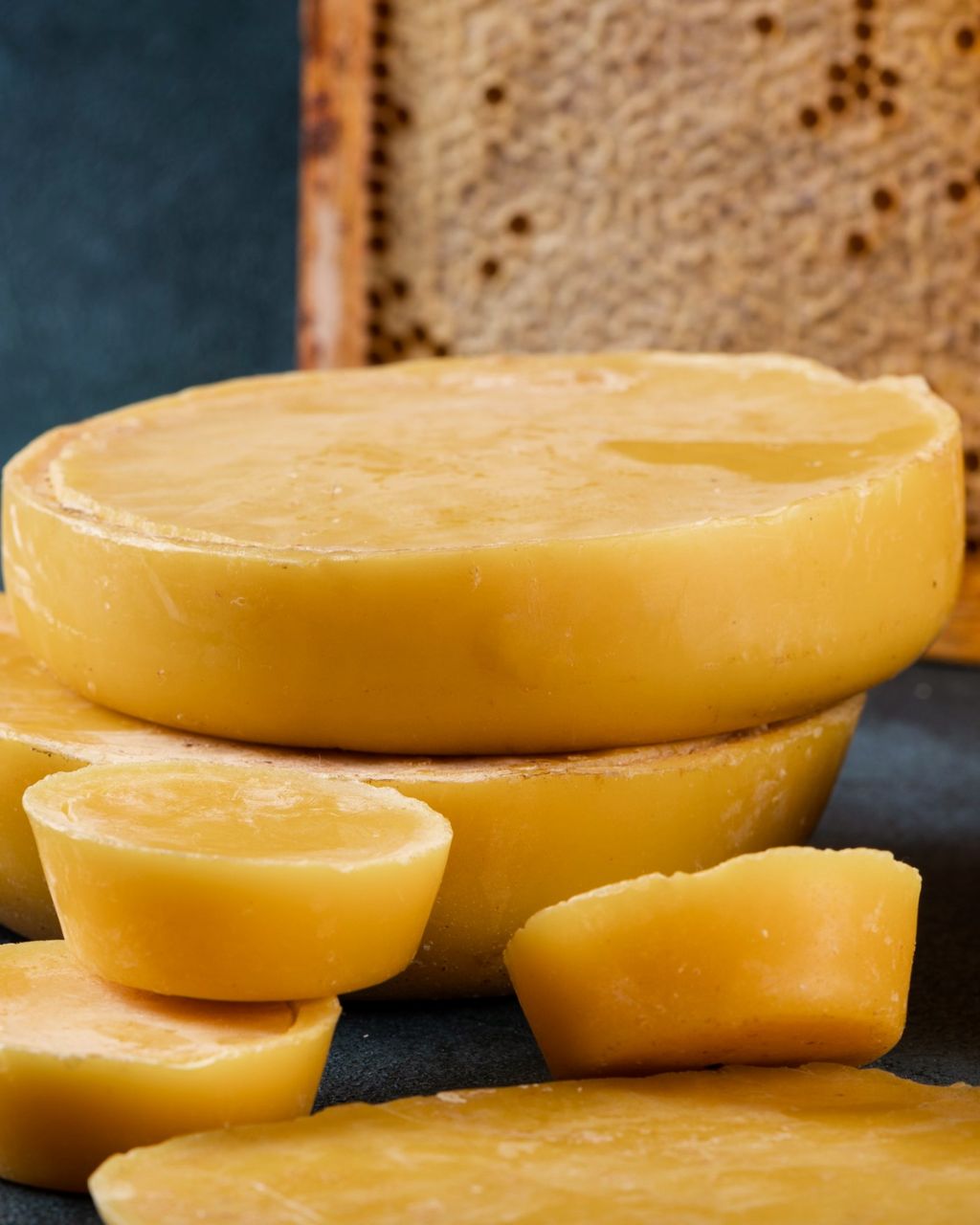
Golden wax from the hive that gives balms their body and a soft, protective finish.
The hive's gold, giving balms their body and a soft protective seal.
Beeswax is the work of the many. Each golden ounce is built by thousands of bees working as one. In the Apothecary, it represents community, diligence, and the sweetness that comes from labor shared.
In Pete & Geneva, shaved beeswax waits in a chipped saucer beside Grandma Geneva's balm.
Beeswax is made by honeybees, who produce it from special glands and use it to build the honeycomb where they raise their young and store their honey. After the honey is harvested, beekeepers gently melt and strain the comb to collect the wax, which hardens into golden cakes with a soft, sweet, honey-like scent.
It takes an enormous effort from the hive to make even a small amount of wax: bees need to consume a great deal of honey to produce it. That is part of why beeswax has always been treasured, from ancient candles and seals to the balms and salves we still make today.
Beeswax gives balms and salves their firm, smooth body and helps them glide on in a soft protective layer. It helps seal in the oils beneath and leaves skin feeling cushioned and cared for. Without beeswax, many balms would be too soft to hold their shape in a tin; with it, they stay firm in the container yet soften easily with the warmth of your fingers.
Beeswax is a natural partner for oils, butters, and tallow. In lip balms, it adds a protective, long-lasting feel. In hand and body balms, it helps formulas last longer on skin that is exposed to cold, wind, or hard work.
It is the gift of the hive: the work of many, made into comfort for one.
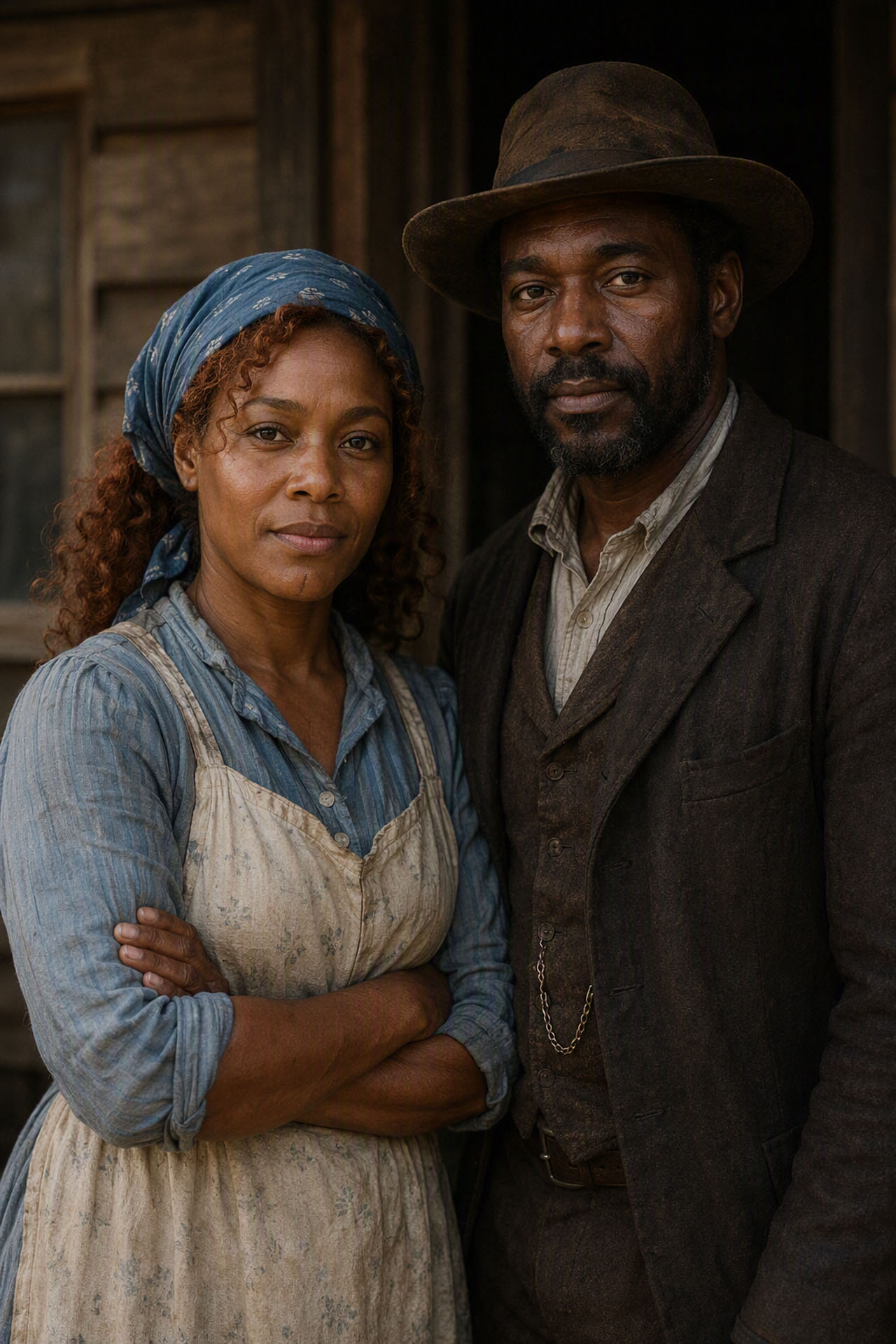
A widow builds a boarding house with an open door in a desert mining town, and a quiet Union veteran learns to wait for her yes.
Read the story